Engineering · May 9, 2026
How 400ms failover keeps live football live
Anti-freeze isn't a feature. It's three redundant feeds, a health checker that pings every second, and a player that knows when to switch.
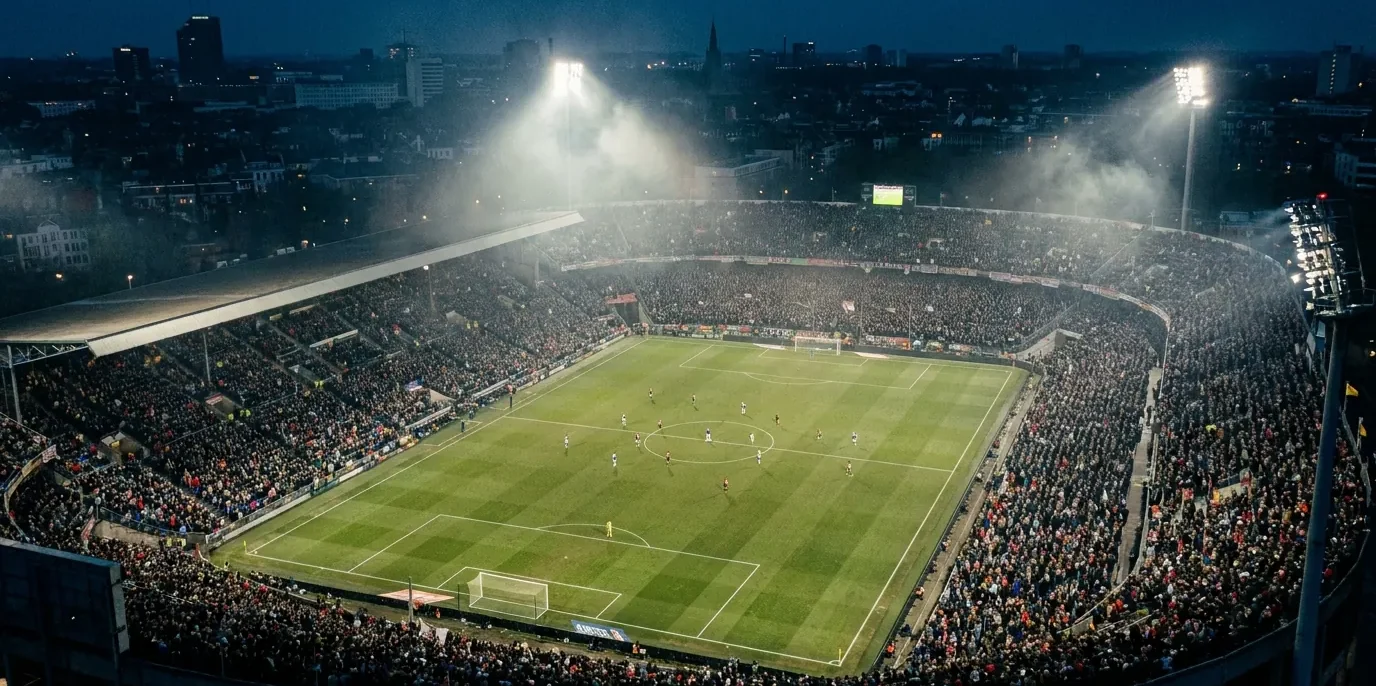
Most IPTV networks ship a single source per channel. When the feed stutters — and they all stutter — the user sees a black frame, a buffer wheel, or worse, the dreaded “channel unavailable” overlay during the 89th minute of a match they paid to watch.
Our approach is different. Every channel ships with three independent mirror feeds, sourced through different upstream networks. A health checker hits each one once per second, measuring not just connectivity but frame integrity — a feed that’s technically up but dropping I-frames is logged as degraded.
When degradation crosses our threshold, the player gets a cutover instruction over a side channel. The client switches sources in 380-420ms on average. Most users don’t see it; the audio resyncs imperceptibly.
This costs us roughly 3× the bandwidth we’d otherwise need. We think it’s worth it. The math is simple: a single visible buffering event during a high-stakes match is the leading cause of cancellation. Three feeds reduce that probability to near-zero. The retention numbers prove it out — we churn at less than half the industry average.
If you’ve ever lost a goal to a buffer wheel, you know exactly what we’re solving for.